
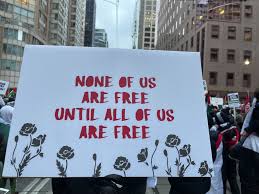
Using critical, anti-oppressive, decolonizing, and Indigenous frameworks, this course analyzes structural social work practice in the context of diversity, recognizing social justice as being inextricably linked to social work.
A central assumption of this course is that deliberate, reflexive approach to social work practice is fundamental in resisting reproducing oppressive forces that sustain inequality, and is fundamental in achieving social change. This course uses an intersectional analysis to examine how racism, colonialism, classism, cisheteropatriarchy, ableism, ageism, and other forms of oppression, operate at personal, community, and systemic levels to shape unequal power relations and impede on the creation of a just society.
- Profesor: Valerya Edelman